
Matthew Peyton
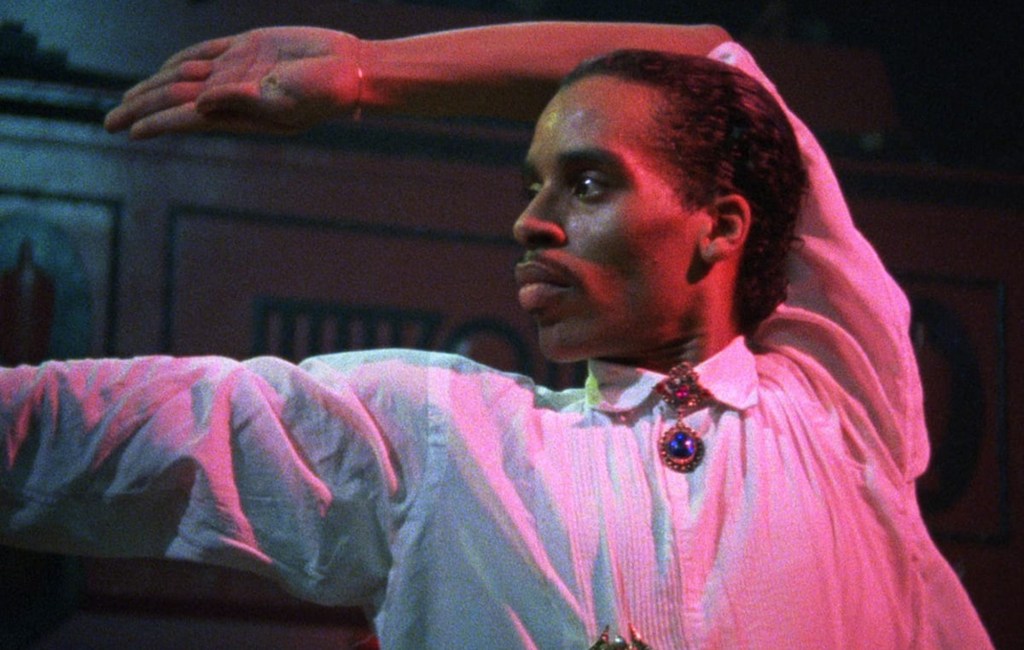
We are introduced to the world of Paris is Burning through a steady journey through the streets of New York. From watching the glittering cityscape to looking up at the red neon lights of the ballroom, and being escorted into this other world of fashion, glamour, and beauty.
Paris is Burning documents the lives and ongoings of a group of Drag Queens and Ballroom Walkers in 1980s New York, Harlem. We see them open up their homes and themselves, as they each reveal their dreams and aspirations for their lives. As the film goes on and the more ballroom walks are shown the more, we as an audience begin to feel a part of this underground world. Director, Jennie Livingston does this by positioning the camera as if it were an onlooker in the ballroom, we see the walkers in their splendid glory as if we were there watching them in person. Livingston explores and showcases a world that many people many are not familiar with but deconstructs in such a way that it still holds a sense of glamour, much like if you were viewing a film from the golden era of Hollywood, where they were no actors or actresses, only stars. Livingston never fails to represent these individuals are glamourous, even in these hidden away ballrooms

However, the film is not without criticism. The actions of director Jennie Livingston can be described as exploitative, leading the participants to believe that they would be paid for their time being filmed. The image of a white cis-gendered filmmaker entering prominently Black and Hispanic spaces, that focus on exploring gender and sexuality, leaves much to be desired.
Throughout the film, Livingston has chosen to document the hopes and dreams of these individuals but the choice to end on such a bleak note with the murder of Venus Xtravaganza right at the end leaves a bitter taste in the mouth of audiences as if they are never destined to live their dreams but rather, they are meant to die and fail. It is here where the message of the film begins to feel muddled.
By showcasing the poor living conditions these individuals have to live in, she is in fact illustrating the struggles that drag queens have to live with. As the image of drag queens in gorgeous gowns juxtaposed against these cramped apartments creates a emotional image of beauty hidden away within the squalor of New York.
It does seem to suggest that even though the film is about celebrating these lives, Livingston wants to create the message that they are unable to exist outside of these spaces. And the murder of Venus acts as less of a blue note, but rather a warning to others about what this life entails.

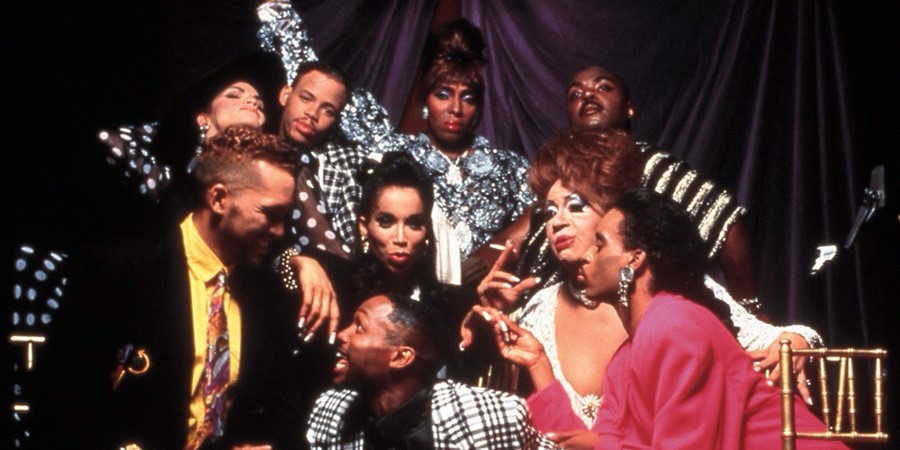
However, unlike the film, I won’t end this article on a sad note. Whilst Paris is Burning is surrounded by discussions and controversy, what it spawned means so much more. Today, Drag and Drag-stars are becoming household names. Shows like Pose and RuPaul’s Drag Race focus on presenting a positive representation of Drag, as opposed to Livingstone’s bleaker presentation.
Matthew Peyton, a graduate of Film Studies at York St John University, is currently studying his Masters in Film and Screen Studies and is working as an Intern for the Institute of Social Justice at YSJ.
 Cinema and Social Justice PROJECT
Leave a comment