
Lenina Vanzyl
International Women’s Week is a commemoration that has been honoured since the early 70s and is one that has celebrated and acknowledged the achievements of women globally whilst advocating for and towards gender equality. Alongside raising awareness of women’s rights and the challenges faced in today’s society, it remembers the journey taken in gaining the vote for women globally
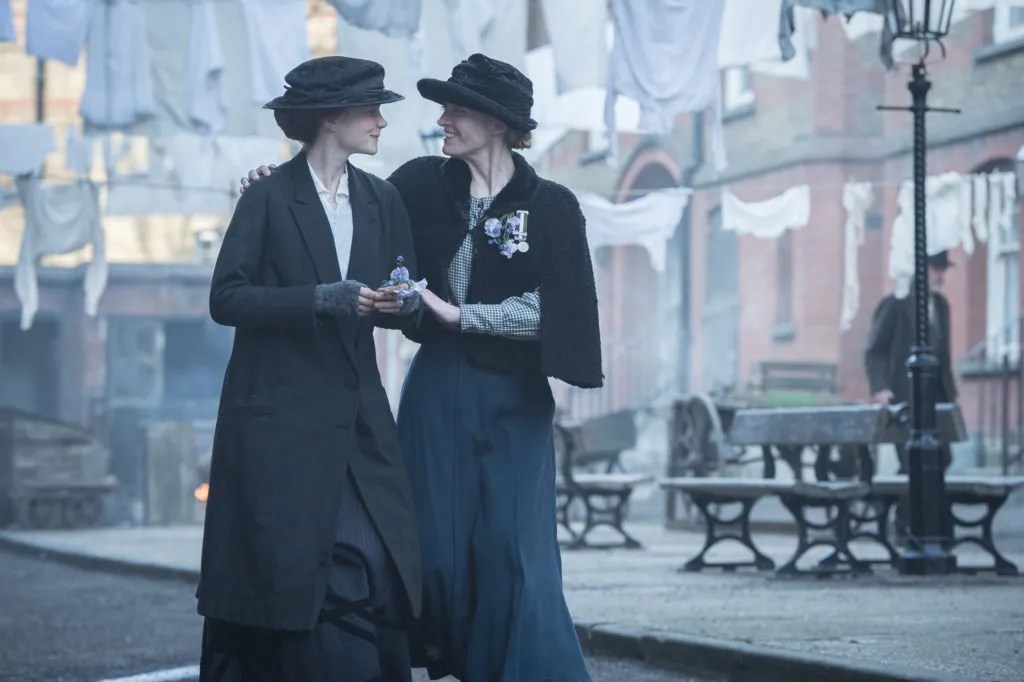
With a screening of Sarah Gavron’s The Suffragette (2015), I wanted to have the chance to acknowledge and celebrate the social, economic, and more specifically the political changes that the role of women has gone through over the past few years; something which the film itself covers in detail through the focus and use of Suffragette movement. It was also important to encourage people to talk and reflect after watching the screening itself, especially for those that haven’t either seen the film itself or have learnt about the history behind the suffrage movement in detail.
So, when it came to choosing from the wide variety of women’s stories on film, The Suffragette (Dir. Sarah Gavron, 2015) stuck out to me not only due to its Oscar winning cast but because of the film’s revision of the historical suffragette movement in the UK, and its exploration of certain key figures from this time. The film engages with the harsh reality of the treatment of women within this period of 1903-1914, alongside the inclusion of real footage of the suffragette movement. This is something seen specifically towards the end of the film’s narrative with the use of the archival footage, allowing the audience to reflect over everything being shown and how far society has come since that movement took place.
Also, it was hard not to choose this piece of media due to my deep love of and bias for British women’s history; one that started back in high school as we learnt in depth about suffragette Emily Davison, caught under the king’s horse in 1913 and fatally injured, something which changed the trajectory of the suffrage movement due to the seriousness of the event and due to Davison’s death shortly afterward from her injuries. . I felt that it was important to engage with suffragette historyas it’s not always a subject we are encouraged to discuss. t Only some women have had their voting rights, specifically in England, for many years now, so Suffragette history is something that can easily be misrepresented or taken for granted.

I also had the chance to gain some feedback from a handful of people that attended the screening itself, reflecting on what they took away from the film and the experience of the screening itself, which was helpful for me when reflecting upon the success of the screening. Screenings at the university are a rare event o SI wanted to amplify news of the screening through the help of friends and peers from the institution’s Film Society, and by emailing the poster to other film courses, staff and students to try and spread the word. This screening was a chance to galvanise discussions of women’s history , especially through those that hadn’t seen this film before, as such discussions tend to happen only during this specialised week or just don’t happen often enough.
“The screening of the 2015 film Suffragette, shown for International Women’s Week, was a perfect opportunity for people to delve into and learn about the history of what women had to go through in order to get to where they are now. Personally, as someone who had not seen this film before the screening, I found the experience to be both informative and enjoyable, as the film was able to show a fictionalised account of real-life struggles in the early 20th century“
When reflecting upon this experience overall, it was an honour to lead a screening of my own and to gain such positive feedback from those that attended. I hope that by screening films like The Suffragette, we can encourage viewers to engage with history(ies) of gendered oppression, especially today, as we witness a statistical rise in violence against and towards women alongside significant challenges to women’s rights and autonomy across the globe…
 Cinema and Social Justice PROJECT
Leave a comment