
Dr Zoë Asser, Dr Melody House, Dr Ankita Mishra, Dr Tokoni Uti
The last few years have seen an uptick in media discussions regarding sexual violence against women. This has been spurred partially by high-profile legal cases such as the release of files related to Jeffrey Epstein, as well as the incarceration of rapper Sean “Diddy” Combs. This is compounded by the enduring popularity of fictionalised depictions of violence against women (VAW) on screen, ranging from works such as The White Caps (1905) and La Souriante Madame Beudet (1922) to films like Revenge (2017) and Promising Young Woman (2020).
However, with a majority of films being written and directed by men, feminist media scholars have noted that media narratives centred on stories about sexual violence often work to reinforce rape myths and the responsiblisation of victim-survivors for their own abuse. As Sarah Banet-Weiser and Kathryn Claire Higgins (2023) argue in their writing on believability, this is “in no small part because keeping accusations of sexual violence contentious is still considered a standard of good storytelling” (p.45). Regardless, fiction media still has important potential to subvert these mythologies through creative and innovative storytelling by the women victim-survivors.
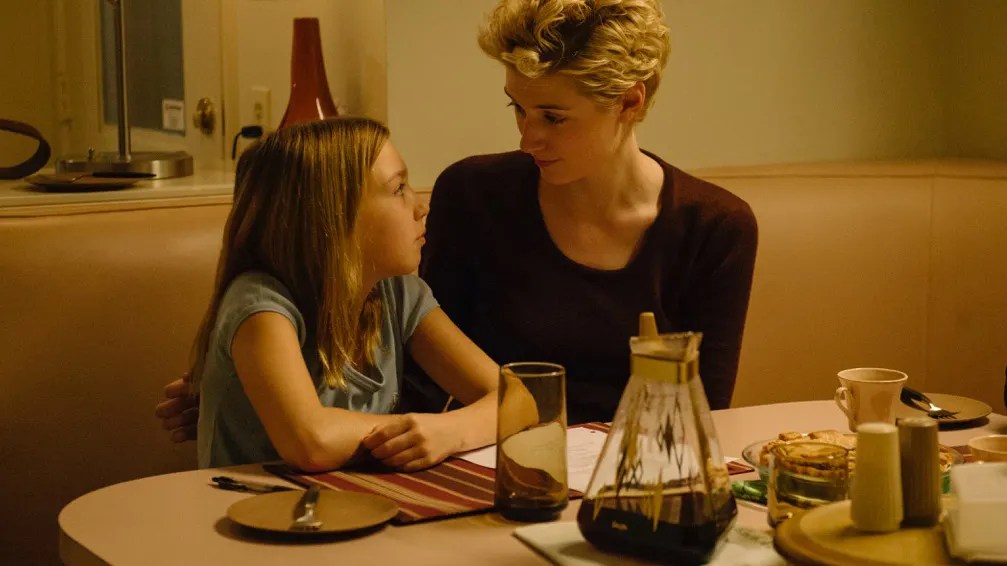
Through a discussion of The Tale (2018) and The Meeting (2018), we explore how cinema can foreground survivor perspectives and invite audiences to rethink conventional understandings of justice following sexual violence. Both films complicate conventional narratives about justice following sexual violence and offer a form of justice-seeking for victim-survivors outside of the criminal justice system.
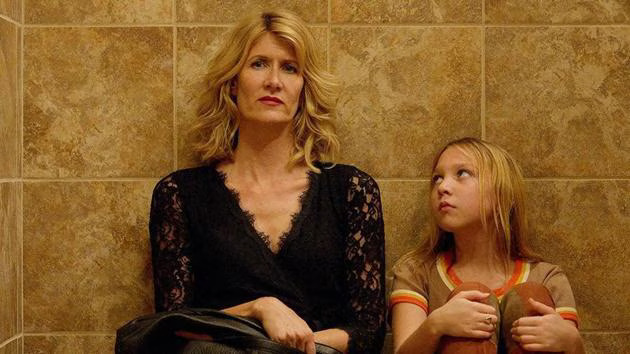
The Tale (2018), directed by Jennifer Fox, is a deeply personal film based on Fox’s own experience of childhood sexual abuse. It follows Fox (Laura Dern) revisiting a formative memory she had long understood as a consensual teenage relationship, only to gradually confront the reality of being groomed and abused. The film contests the assumption that VAW is always immediately recognised or clearly defined by presenting a non-linear account of Fox’s abuse using shifting perspectives and reconstructed memories to illustrate the instability of memory in reinterpreting past experiences. Fox uses The Tale (2018) as a type of justice-seeking, having never pursued a criminal trial herself.
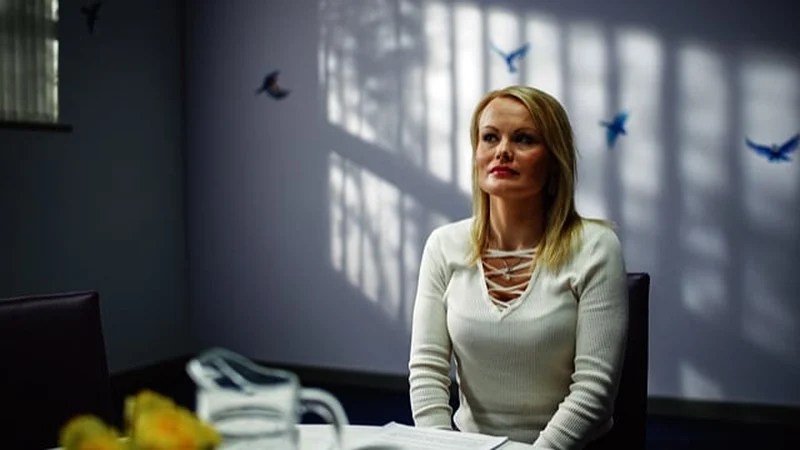
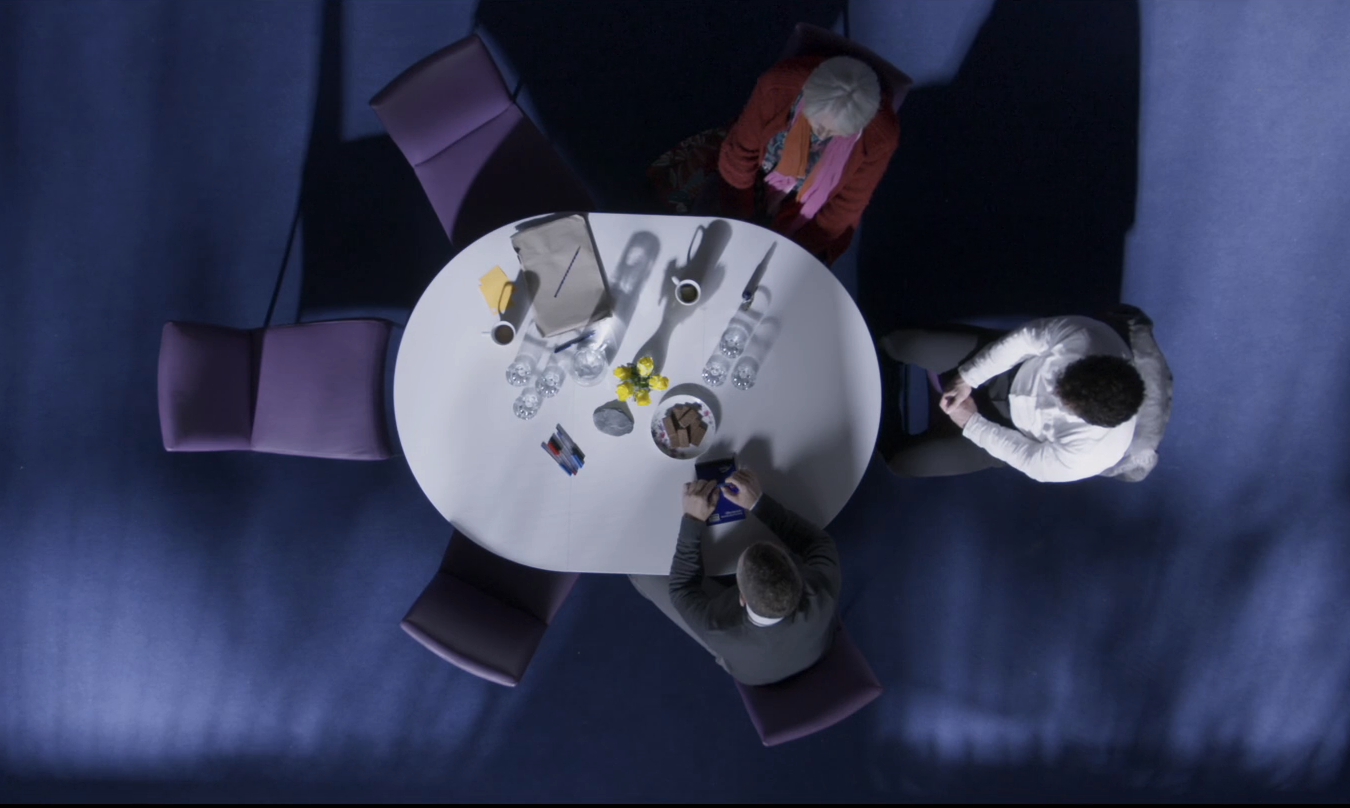
Similarly, The Meeting (2018) is a dramatisation of the real restorative justice encounter between survivor Ailbhe Griffith and her abuser, with Griffith playing herself. It depicts the carefully facilitated dialogue between survivor and perpetrator, offering viewers insight into a restorative justice process rather than focusing solely on punishment or legal resolution. Griffith highlights how acknowledgement, accountability, and dialogue can form part of a survivor’s pursuit of justice, challenging dominant cinematic narratives that centre institutional responses while overlooking the diverse ways survivors may seek closure, validation, or accountability. While they differ in form and focus, The Tale (2018) foregrounds the internal process of recognising and reinterpreting abuse, and The Meeting (2018) centres the possibility of direct accountability through restorative dialogue. Together, they illustrate different dimensions of justice that dominant media narratives often render invisible.
This broader understanding resonates with what Clare McGlynn and Nicola Westmarland (2018) call kaleidoscopic justice, which offers a more expansive framework for recognising the multifaceted ways victim-survivors understand and seek justice. Importantly for our analysis, kaleidoscopic justice recognises justice as an ever-evolving process that develops along lines of “consequences, recognition, dignity, voice, prevention and connectedness” (p.180), many of which extend beyond carceral punishment. By placing these films in conversation, we can see how survivor-led storytelling expands the possibilities for imagining justice beyond the confines of the criminal justice system.
Victim-survivor agency is crucial because it enables survivors to shape how stories of abuse are told. They often find themselves included in films as subjects rather than storytellers. However, behind and in front of the camera, they are afforded agency to craft their own narratives and overcome reductionist and sensationalised cinematic portrayals of violence. Jennifer Fox and Ailbhe Griffith underscore the varying ways survivor voices can be amplified by inviting audiences to re-imagine justice as an ever-evolving process. In this way, they open up space for more nuanced and socially meaningful conversations, expanding our collective imagination, challenging societal misconceptions about violence and justice, and demonstrating how cinema itself can become a way of achieving justice.
The Media Sigils (Ankita Mishra, Melody House, Zoe Asser, and Tokoni Uti) are a special interest group within the Violence Against Women and Girls Research Network (VAWGRN). We have a shared interest in the transformative power of progressive media representation and consider how film, TV, and social media can reinforce the domination of women or challenge the patriarchal narratives that enable violence.
 Cinema and Social Justice PROJECT
Leave a comment