
Donna Peberdy
International Women’s Day and Women’s History Month invite us to pause: to recognise achievements, acknowledge progress, and call attention to areas where change remains painfully slow. Sexual violence, experienced by an estimated one in three women globally, is both a pervasive human rights issue and a stubborn site of misrepresentation.
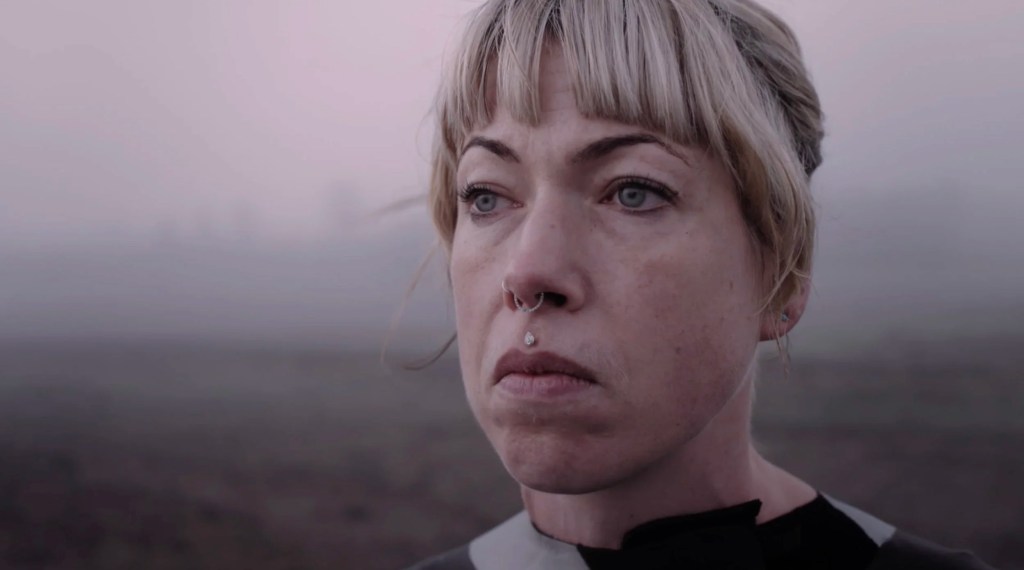
The Screening Sexual Violence project emerged from a combination of hope and frustration. As a jury member, and then screening committee member, for the 16 Days 16 Films festival, I watched hundreds of short films by women filmmakers grappling with the complexities of representing sexual violence. These films offered nuance, care and ethical consideration. They centred impacts rather than spectacle, challenged stereotypes and approached sensitive material with creativity and respect. Conversely, I felt increasingly frustrated by the reductive, myth‑reliant portrayals still dominant in mainstream media.
Identifying a Need
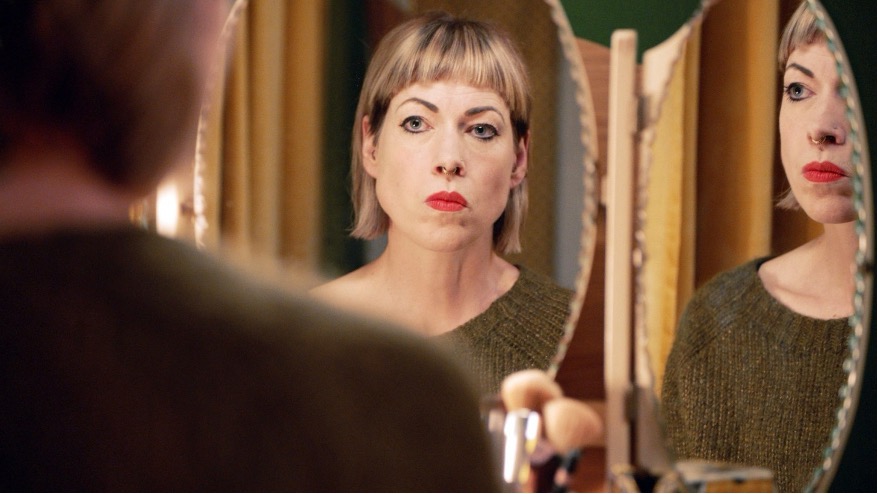
Conversations with educators and prevention workers echoed these concerns. Many described how difficult it was to find trauma‑informed, diverse, high‑quality audiovisual materials to support discussions around consent, relationships, gender inequality and gender‑based violence. Film is considered a powerful engagement tool, yet suitable narrative films addressing sexual violence are scarce. What existed tended to be didactic training videos or outdated content lacking nuance, often shutting down rather than opening up discussion.
Meanwhile, many of the short films I encountered through the festival – thoughtful, emotionally resonant and grounded in lived experience – were unlikely to reach wider audiences. Screening Sexual Violence grew from a central question: How can we bring these powerful films to the people who need them?
The aim of the resource is simple: to inspire and support informed conversations about violence against women and girls – conversations that acknowledge complexity, encourage empathy and open a space for critical thinking and prevention.
At its core, the project is guided by a social justice commitment: widening access to films that challenge narrow narratives, platforming underrepresented filmmakers and marginalised stories, and supporting conversations that address the structural inequalities underpinning violence against women and girls.
Creating the Resource: Curating a Continuum
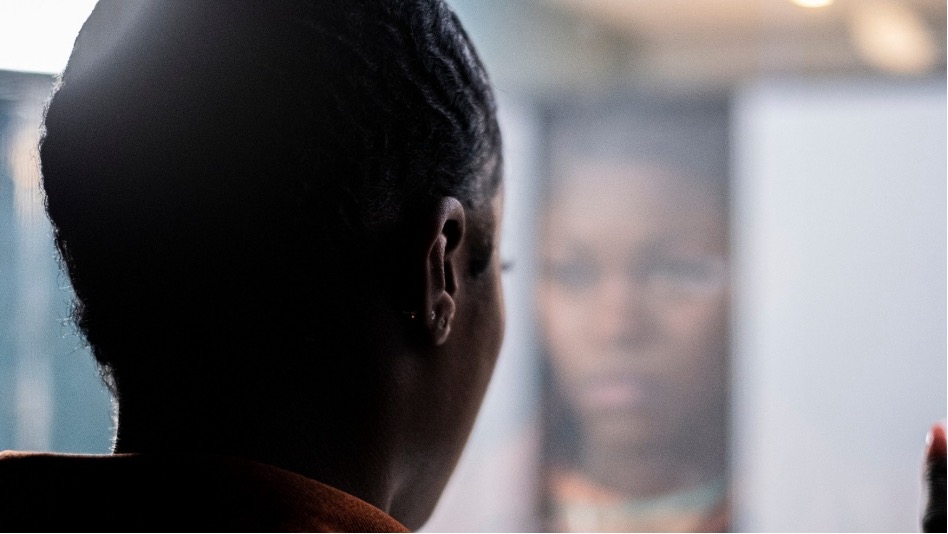
Between 2018 and 2023, the festival received 1,394 submissions, of which 435 were eligible for consideration (directed by a woman, under 25 minutes, exploring a form of violence against women and girls). Liz Kelly’s continuum of sexual violence, outlined in her 1988 study Surviving Sexual Violence, became an anchor for the curation. Kelly shows that sexual violence is not a hierarchy but a broad range of overlapping forms and experiences – from threats and harassment to coercion, domestic abuse and rape.
For the resource, I selected films that collectively reflect this continuum: stories of sexual harassment, sexual assault, domestic abuse, marital rape, reproductive violence, femicide, forced marriage, image-based abuse, spiking, and the threat of violence, set in schools, workplaces, public spaces, homes and online environments.
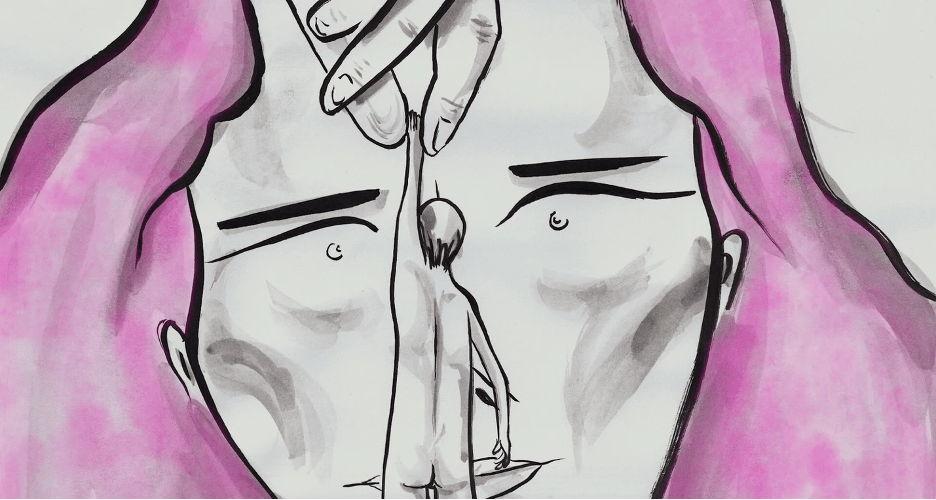
Curation comes with conceptual and practical challenges: balancing academic, advocacy and filmmaking language; determining themes without reducing complexity; ensuring accessibility across diverse audiences. The iterative design – shaped by filmmaker interviews, dataset analysis, textual analysis and user feedback – helped the resource grow into something more than a film library. Supplementary materials, including “Filmmaker Insights”, “For Discussion” question banks and thematic summaries, provide essential context.
Users are discovering and engaging with the resource in ways I hadn’t anticipated –GPs, police officers, youth workers and others whose work intersects with the realities of sexual violence. One of the most meaningful outcomes has been hearing from victim‑survivors using it to help friends and family better understand their experiences.
The resource will continue to grow and respond. Hearing how the resource is being used – by whom and in what capacity – ensures the project remains responsive to the evolving needs of those engaging with it.
Reframing Sexual Violence on Screen
These films challenge the narrow media focus on “extreme” violence by illuminating the everyday, cultural and relational dynamics that shape abuse and harm. They make visible the grey areas – power, coercion, minimisation, silence – and invite viewers to consider how sexual violence is embedded in behaviours and attitudes, not only acts.
Women continue to be vastly underrepresented in key production roles across the film industry. Many films in this project are not just directed by women but made by women, often taking up multiple production roles including writing and editing. Many are rooted in lived experience – stories that would remain unseen without intentional platforming. Filmmakers spoke about the emotional strain, ethical dilemmas and practical challenges of representing sexual violence, especially in low‑budget short filmmaking where support structures like intimacy coordinators or counselling are rarely available.
Looking Ahead
Forthcoming Filmmaker Guidelines draw from these insights to support first‑time filmmakers and anyone approaching this subject on screen, encouraging care for cast, crew and themselves throughout the process.
The Screening Sexual Violence resource is designed to sit alongside – not replace – existing support and education services. My hope is that it becomes a catalyst: helping educators, facilitators and practitioners deepen engagement, enabling conversations in spaces where they are not yet happening and offering a starting point to explore experiences and perspectives that remain underrepresented.
Donna Peberdy is Associate Professor in the School of Creative Industries at Southampton Solent University. She is Director of the Screening Sex research initiative and Editor of EUP’s Screening Sex book series, which includes The Sex Scene: Space, Place, Industry due out later this year. She leads the Screening Sexual Violence project, supported through a British Academy Mid-Career Fellowship (2022-2023), and facilitates the Creative Practice Special Interest Group for the Violence Against Women and Girls Research Network (VAWGRN).
The Screening Sexual Violence resource can be accessed at https://screeningsexualviolence.com/ Register for project updates here and follow the project on Instagram, LinkedIn and Facebook.


Leave a comment